We assemble in the house of God, incense rising, hymns reverberating, and candles flickering before the Holy Altar. Our Church is a church of our culture of saints prayed to grow strong, tears of repentance soaked in blood, sacrifice and strength forged in our past. The Syrian Orthodox tradition is more than just a heritage we receive from our ancestors; it is a holy trust we are to keep with a purity of heart and an integrity of life. But today, burdened with heavy hearts, we need to admit a truth: the distance between our confession and our conduct is increasing.
We profess holiness but put up with injustice. We celebrate apostolic succession but ignore apostolic character. Authority has been confused with ownership in many places, with leadership confused for entitlement.
Rather than empathise with the wounded, they mute them. They hide wrong instead of correcting it. Instead of guiding souls, they govern systems. When the Church is supposed to be the hospital for sinners, instead, it becomes like the courtroom, where the weaker are judged, and the stronger are shielded.
It hurts, not just the person who betrayed them, but the body of Christ. Numerous faithful believers approach the church with a broken life and in need of mercy and healing. They believe that the leaders and the clergy embody the heart of Christ. Their faith is shaken when they are confronted with favouritism, manipulation and moral compromise. Some drift away quietly. Some lose hope. Some carry lifelong scars. Their tears fall unnoticed but never unseen by God. Scripture tells us, For there is nothing hidden that will not be revealed. Time shows that what authority conceals is not what we want.
Positions end.
Titles fade.
Influence disappears.
Only the character remains.
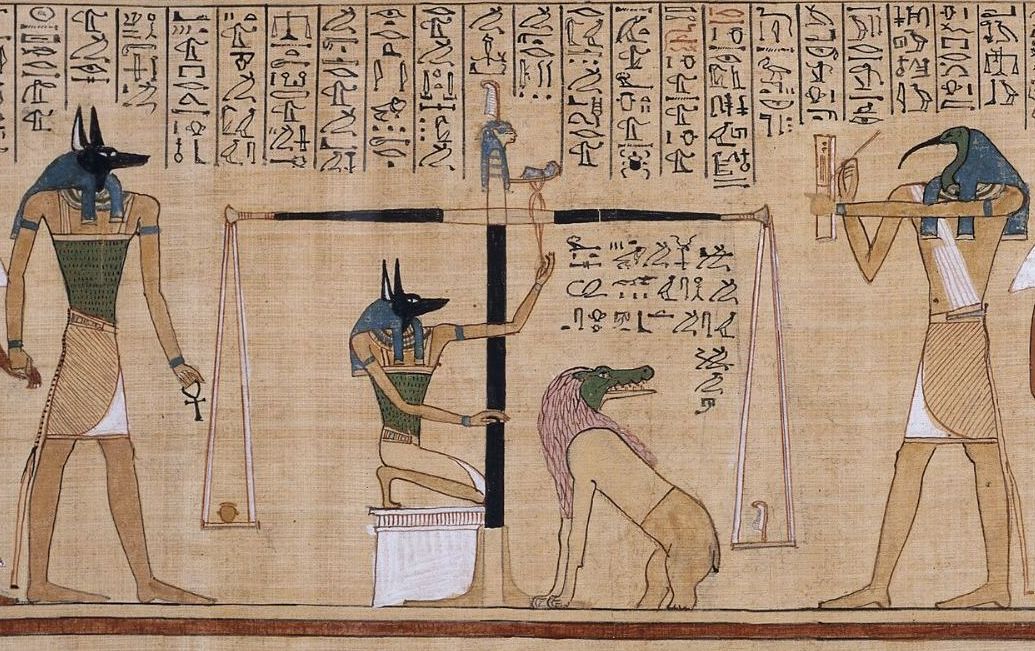
And when we finish our earthly travels, when we are made to lie down in the earth, and our voices fall silent, something else will start to say something in our tomb. Our tomb will tell our last sermon. It will testify to how we wielded our authority: as an oppressor or as an uplifter. It will show how we handled truth with courage or compromise. It will proclaim how we treated the faint-hearted: compassionately or contemptuously. It will remember whether we picked righteousness over convenience.
No cathedral can defend a corrupt conscience.
No title can silence divine judgment.
No reputation can rewrite eternity.
And stone and soil will hold what memory will forget.
This is thus not a message of condemnation but of invitation.
An invitation to repentance.
A renewal invitation.
An invitation to come back to the Gospel we preach.
The Church doesn’t need an increase in administrators of power; it needs more servants of Christ. It doesn’t need louder voices; it needs purer hearts. It doesn’t need more control; it needs more holiness.
Let bishops be fathers again.
Let priests be shepherds again.
Let leaders be servants again.
Let truth be honoured again.
Let justice flow again.
And let everyone, the believer, whether the clergy or laity, examine his conscience before God. One day, our names will be written on stone. Our bodies will lie in silence. Our achievements will not be recorded. But we may have faithfulness or not. The last words are, we are to live. The voice of your tomb says:
“Here dwells a servant who loves Christ rather than power. Here is a shepherd who guarded the flock. Here sleeps a soul who preferred truth to comfort. Here is a person walking humbly with God.”
Do let it speak about Christ.
Let your Tomb speak…


Comments
Post a Comment